What is Siberian Ginseng?
WHY SIBERIAN GINSENG?
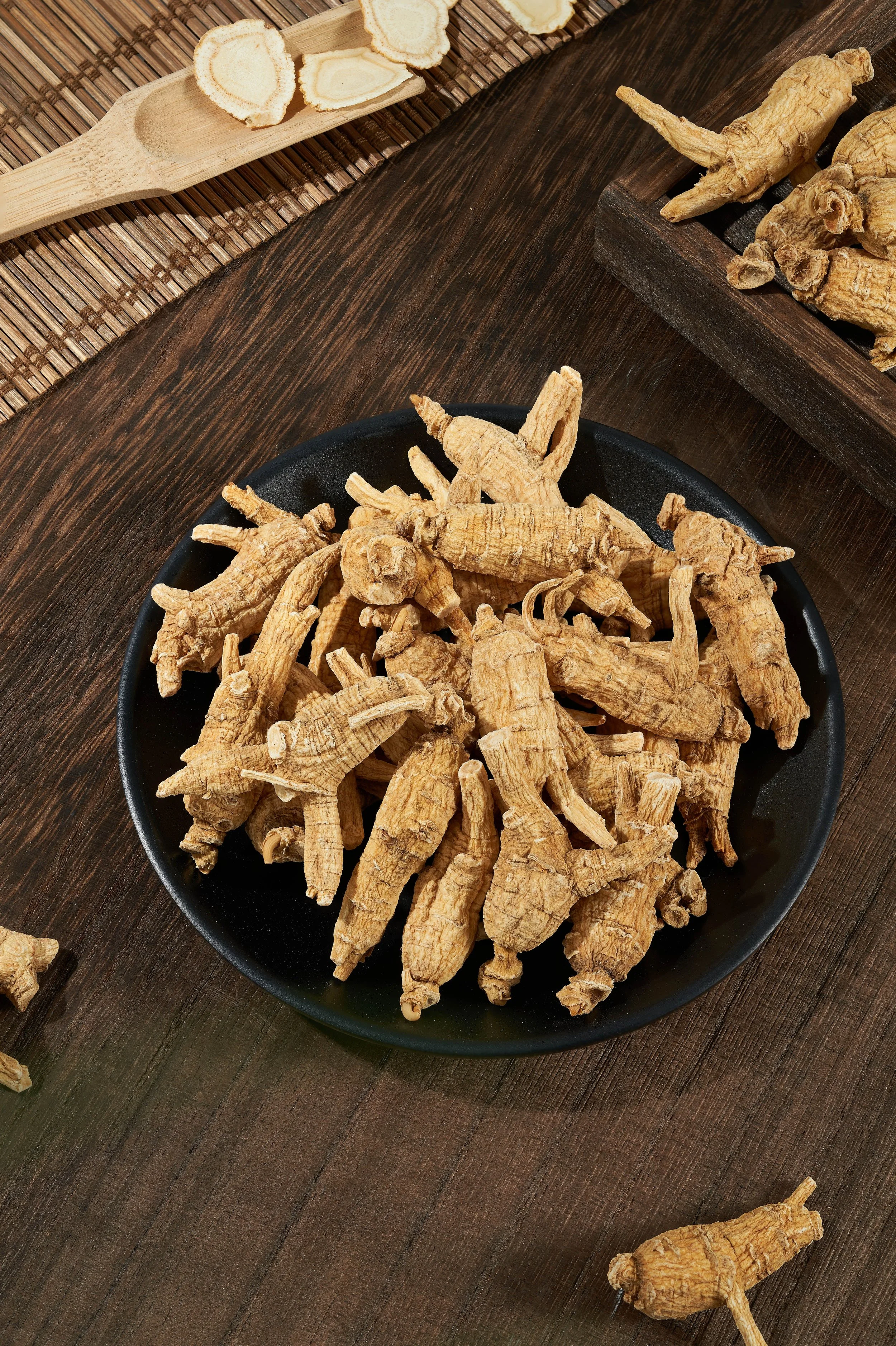
Siberian Ginseng has been used for thousands of years in Traditional Chinese Medicine. It's common name is Eleuthero and its scientific name is Eleutherococcus senticosus.
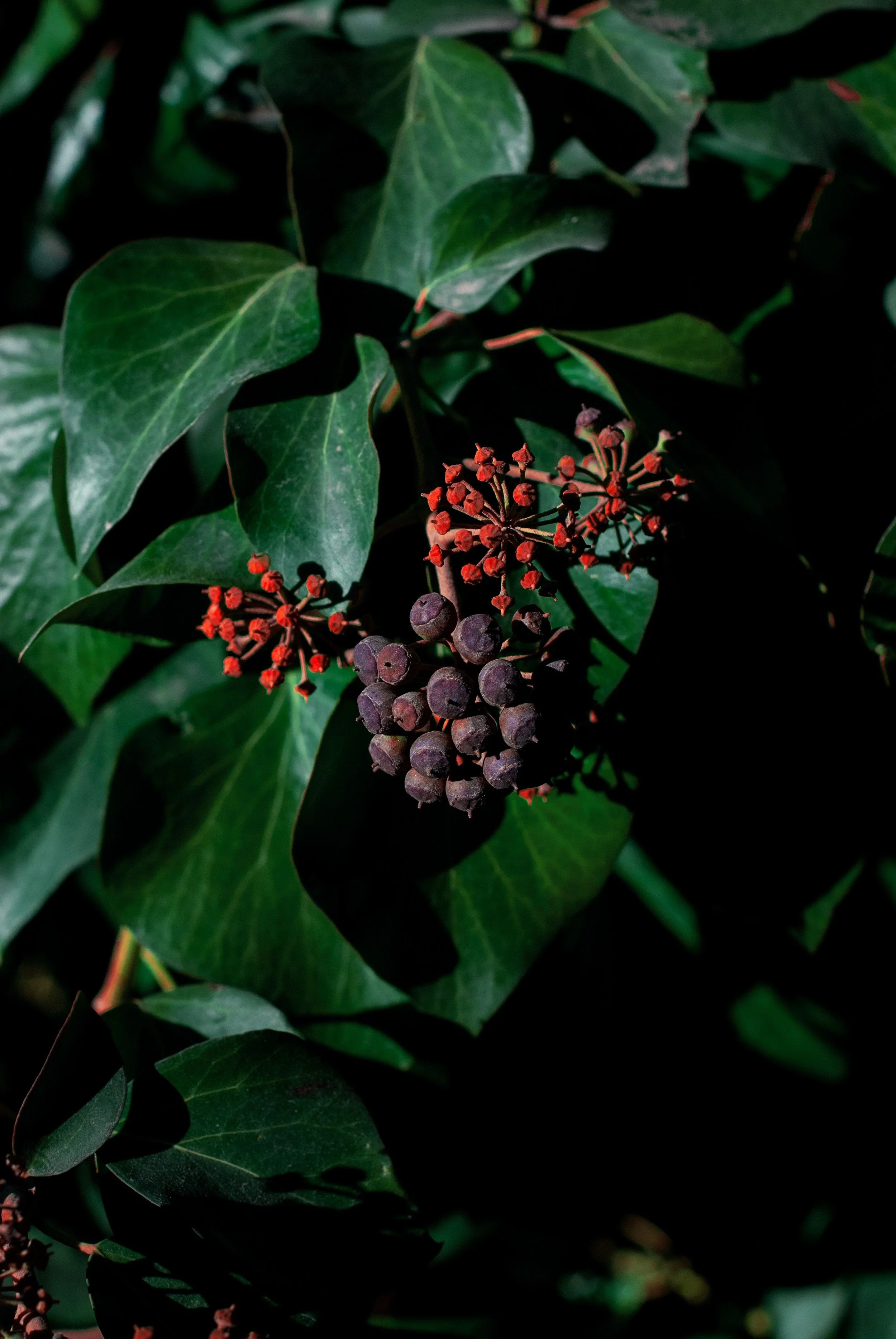
Siberian Ginseng likes to grow in coniferous forests undergrowth and can often be found in groups amongst shrubs and at the edges of forests. It can tolerate many types of soil from sandy & loamy to heavy clay.
It loves to be in the shade and can grow to be 3 to 10 feet high. Even though it excels growing in the shade, the many benefits of Siberian Ginseng are often in the limelight.
It's been used for centuries to help prevent the common cold and flu, strengthen the immune system, anxiety, depression, unclear thinking, and recently found to be helpful for hormonal changes due to stress by adjusting the the hypothalamic-pituatary-adrenal axis (HPA).
Benefits
The HPA axis is basically a group of glands that work together to regulate the body's stress response. The brain receives a stress signal from the body and then another signal is sent to the hypothalamus gland to release hormones to help deal with this stress.
Siberian Ginseng will jump in at this point to regulate this release of hormones to minimize tissue injury and limit the inflammatory response.
This will decrease the impact of chronic stress to cause dis-eases such as arthritis, osteoporosis, asthma, heart, stroke, chronic fatigue, diabetes and erectile dysfunction.
Also, Siberian Ginseng is often recommended for people with thyroid conditions. Studies are finding that Siberian Ginseng stimulates the chemical and thermal genes which impact thyroid metabolism. This could lead to reversing hypothyroidism, counter-act metabolic disruptions and inflammation.
Moreover, ginseng will help raise DHEA ( an adrenal hormone) for more energy and endurance, however if a person already has high levels of cortisol it will decrease cortisol to assist in stress reduction.
Energetic Symbolism
Siberian Ginseng is associated with the Fire Element in Traditional Chinese Medicine. Also, associated with the planet Mars! It's thought to boost courage, increase confidence and motivation, and help a person overcome obstacles.
Should I supplement?
It's always a good idea to consult with a Holistic Nutritionist or experienced Herbalist before taking any supplements.
Chronic conditions it may help include reducing risks of colds/flu, reducing severity of herpes simplex virus type2 breakout, high stress and chronic fatigue can be ameliorated with supplementation.
Many forms of Siberian Ginseng are available as powders, capsules, tablets, solid or liquid extracts. Most effective Siberian Ginseng supplements are made from the root of the plant.
Now, once you’ve obtained the Siberian Ginseng, what can you do with it?
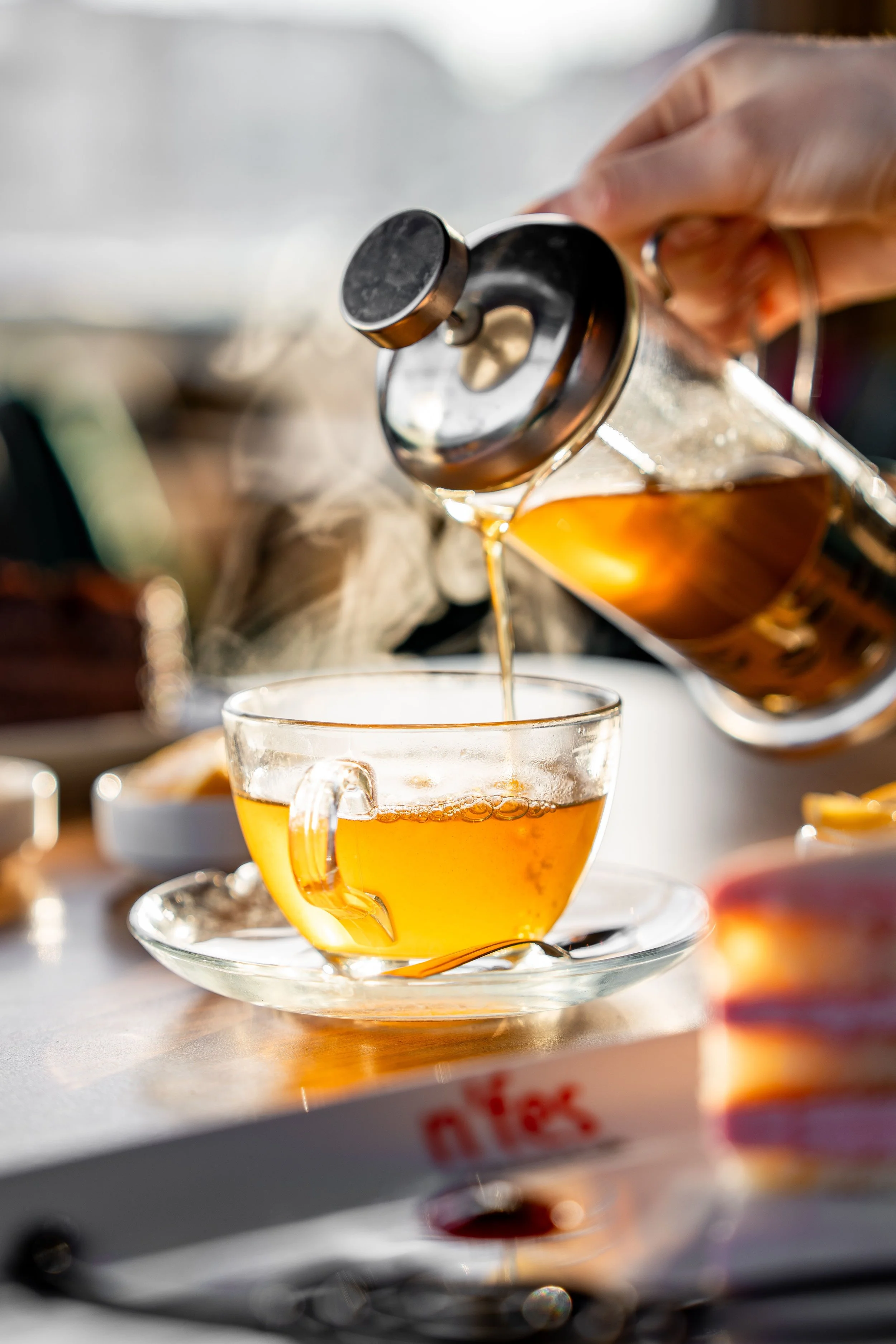
A Great TEA Recipe:
Lemon - Siberian ginseng - ginger tea
Ingredients:
• 1 cup dried ginger root
• 3/4 cup dried Siberian ginseng
• 1/4 cup dried lemon peel
• Honey or maple syrup optional
Instructions:
• Mix all herbs together in a bowl until well combined.
• Simmer 1/4 cup of mixture per quart of water in a covered pan for 15 minutes, but do not boil.
• Pour into cups. Add honey or maple syrup for taste. Enjoy.
Recipe Credit: Kat Gal
Conclusion
Nature has always provided remarkable plants that support the body's ability to heal and adapt. Siberian Ginseng is one of those time-honored herbs that has earned its place in traditional wellness practices by supporting the body's response to stress, promoting energy, and strengthening resilience over time.
While no single herb is a cure-all, incorporating supportive herbs alongside nourishing food, quality sleep, movement, and stress management can become part of a comprehensive approach to long-term wellness. As with any supplement, it's important to choose high-quality products and seek guidance from a qualified health professional to determine what is appropriate for your unique health needs.
True healing isn't about chasing quick fixes, it's about giving your body the support it needs to do what it was designed to do. Sometimes, the smallest additions to your daily routine can make the biggest difference over time.
References
1. Liu L, Han X, Shan G, Fu L, Dou D. Mechanism difference of ginseng medicines with different natures on
hyperthyroidism. J Ethnopharmacol. 2024 Jan 30;319(Pt 2):117194. doi: 10.1016/j.jep.2023.117194. Epub 2023 Sep 22. PMID: 37742875.
2. Lee S, Rhee DK. Effects of ginseng on stress-related depression, anxiety, and the hypothalamic-pituitary-adrenal axis. J Ginseng Res. 2017 Oct;41(4):589-594. doi: 10.1016/ j.jgr.2017.01.010. Epub 2017 Jan 24. PMID: 29021708; PMCID: PMC5628357.
3. https://www.naturalendocrinesolutions.com/articles/herbal-spotlight-how-eleuthero-can-help-people-with-thyroid-and-autoimmune-thyroid-conditions/print/
4. https://www.webmd.com/drugs/2/drug-735/siberian-ginseng-oral/details
5. https://www.mountsinai.org/health-library/herb/siberian-ginseng#:~:text=Siberian ginseng (Eleutherococcus senticosus) has different active chemical components.
6. https://communities.springernature.com/posts/understanding-the-hot-properties-of-ginseng#:~:text=Ginseng demonstrates promising anti-inflammatory,key enzymes for thyroid metabolism.